Background
Technology is evolving faster than ever before. Over the past decade, we have seen major transformations in how people live, work, and communicate. From the rise of smartphones to the dominance of social media, digital innovation has continuously reshaped human behavior.
Now, as we move into 2026, the pace of technological change is accelerating even more. Businesses are adapting, industries are transforming, and individuals are learning new ways to interact with digital tools.
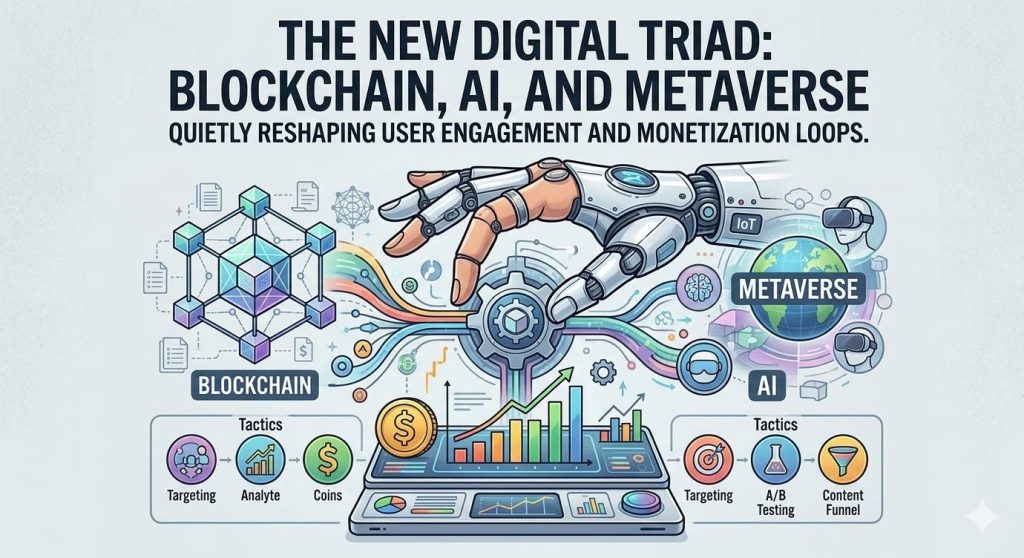
Unlike previous years where a single technology dominated the conversation, today’s landscape is more diverse. It is not only about artificial intelligence anymore. Instead, multiple technologies are growing together and creating a powerful digital ecosystem.
Understanding these trends is important not only for tech enthusiasts but also for anyone who wants to stay relevant in the modern digital economy.
Main Discussion
1. Artificial Intelligence Becoming Everyday Infrastructure
Artificial intelligence is no longer just a futuristic concept. It has become a core part of everyday digital systems.
In 2026, AI is being used in:
- Content creation (writing, design, video editing)
- Customer service (chatbots and automation)
- Business analytics (data-driven decisions)
- Personal productivity tools
The key shift is that AI is now accessible to everyone, not just developers or large companies.
For example:
- Small businesses can use AI to generate marketing content
- Creators can automate editing and publishing
- Students can use AI for learning and research
This widespread accessibility is making AI one of the most important tools in the modern world.
2. The Growth of Augmented Reality and Virtual Reality
Augmented Reality (AR) and Virtual Reality (VR) are no longer limited to gaming. These technologies are expanding into multiple industries and becoming more practical for daily use.
AR enhances the real world by adding digital elements, while VR creates a completely immersive environment.
In 2026, we are seeing real-world applications such as:
- Virtual meetings and remote collaboration
- Interactive learning environments
- Virtual shopping experiences
- Digital tourism and events
These technologies are gradually changing how people experience digital content. Instead of just watching, users can now interact in immersive environments.
As hardware becomes more affordable and accessible, AR and VR are expected to become mainstream tools.
3. Automation Is Changing How Work Gets Done
Automation is one of the most impactful trends in modern technology. It refers to using software and machines to perform tasks without human intervention.
In 2026, automation is widely used in:
- Business operations
- Marketing campaigns
- Data processing
- Customer interactions
For example:
- Emails can be sent automatically based on user behavior
- Online stores can manage inventory without manual input
- Businesses can analyze large data sets instantly
This trend is reducing repetitive work and allowing people to focus on more strategic and creative tasks.
However, it also means that individuals need to adapt and learn new skills to stay competitive.
4. Digital Tools Are Becoming More Powerful and Accessible
One of the most important trends is the rise of digital tools that are easy to use but extremely powerful.
In the past, creating a website, designing graphics, or editing videos required advanced skills. Today, tools are designed for beginners.
Examples of modern digital tools include:
- Website builders
- Graphic design platforms
- Video editing apps
- Content scheduling tools
These tools allow individuals to:
- Start online businesses
- Build personal brands
- Create content consistently
- Manage digital operations efficiently
This democratization of technology is opening opportunities for anyone with internet access.
5. The Integration of Technology Into Daily Life
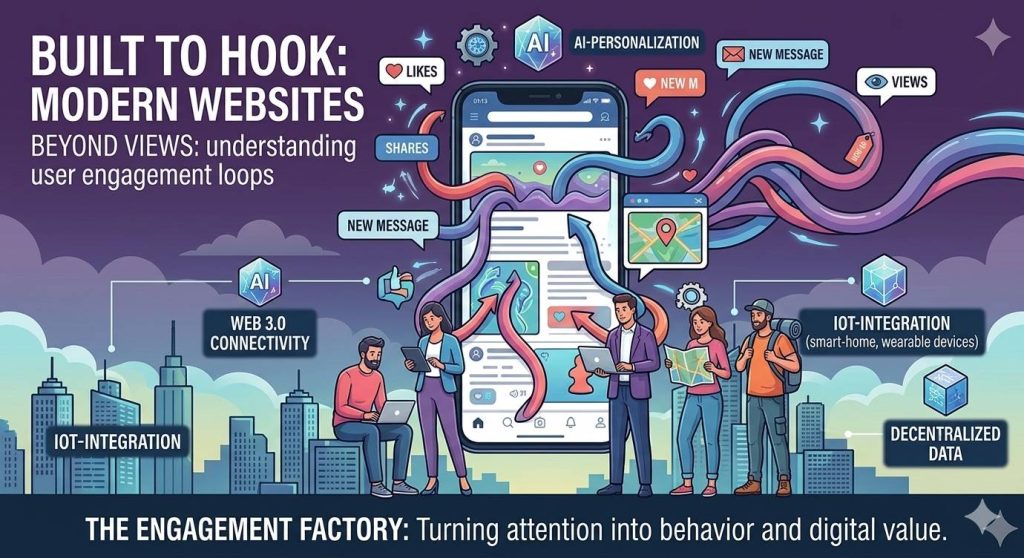
Technology is no longer separate from daily life—it is fully integrated into it.
In 2026:
- People rely on digital tools for communication
- Businesses operate online-first
- Education is increasingly digital
- Entertainment is mostly online
This integration is creating a new lifestyle where digital presence is just as important as physical presence.
As a result, understanding technology is no longer optional—it is essential.
6. Opportunities in the Digital Economy
All these technological trends are creating new opportunities in the digital economy.
Some of the most popular opportunities include:
- Content creation
- Affiliate marketing
- Freelancing
- Online businesses
- Personal branding
Technology is not just changing how we live—it is also changing how we earn money.
People can now build income streams entirely online, using the tools and platforms available today.
Conclusion
The technology landscape in 2026 is defined by integration, accessibility, and rapid innovation. Artificial intelligence, AR/VR, automation, and digital tools are no longer isolated trends—they are part of a connected ecosystem shaping the future.
For individuals and businesses, the key to success is adaptation. Those who understand and leverage these technologies will have a significant advantage in the digital economy.
Rather than focusing on a single trend, it is important to see the bigger picture: technology is evolving as a system, and being part of that system is essential for long-term growth.