Background
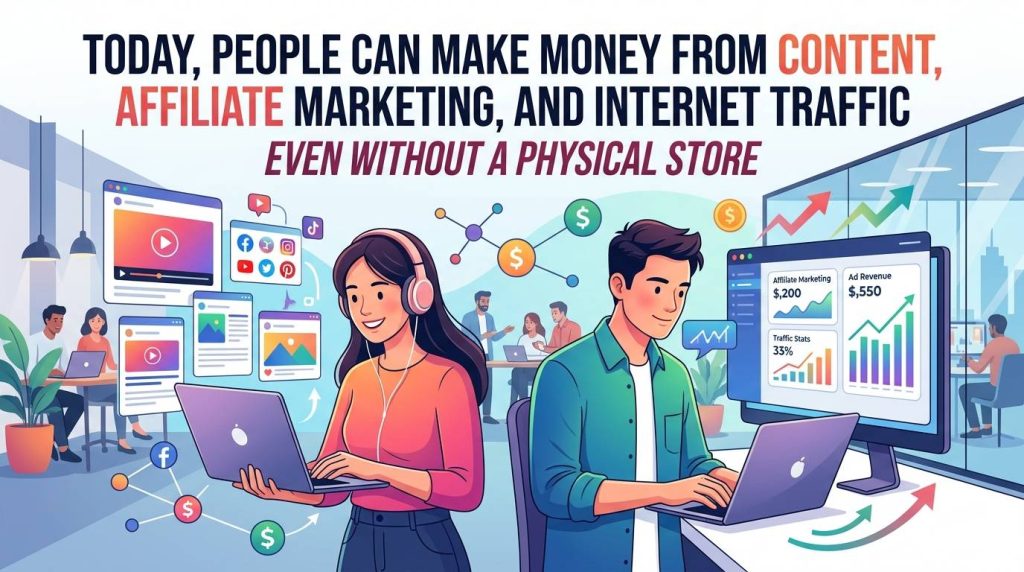
Over the past decade, the digital landscape has undergone a massive transformation. Businesses that once relied on physical stores and traditional advertising are now shifting toward online platforms. At the center of this transformation is social media.
Platforms like TikTok, Instagram, and Facebook have evolved far beyond simple communication tools. They are now powerful ecosystems where brands build relationships, market products, and generate revenue.
In 2026, social media is no longer optional for businesses—it is essential. Whether small startups or large companies, everyone is adapting to a new reality where online presence determines success.
Understanding how social media is changing online business today is crucial for anyone who wants to stay competitive in the digital economy.
Main Discussion
1. Social Media as the New Marketplace
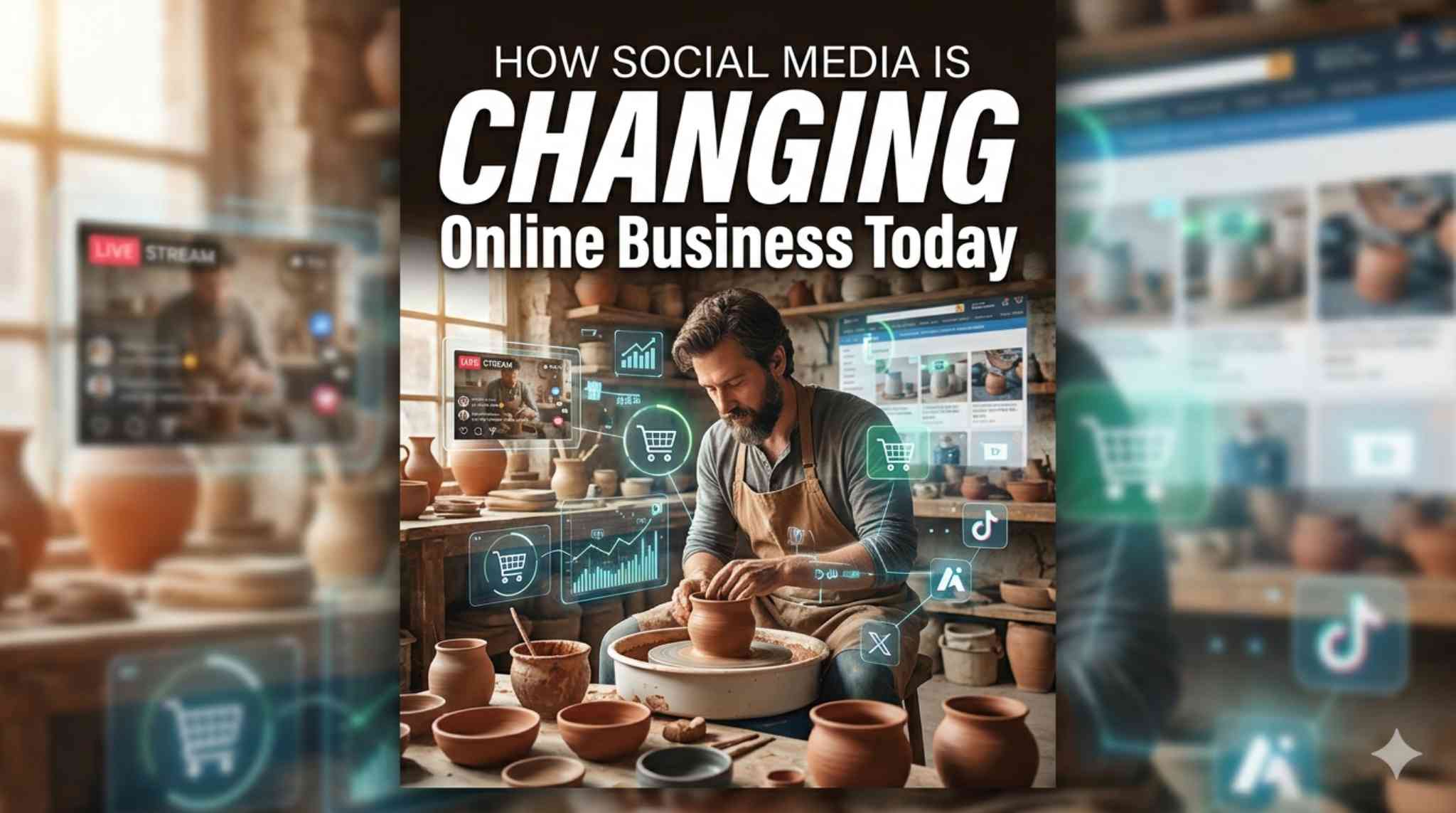
One of the biggest changes is that social media platforms have become digital marketplaces.
Instead of visiting traditional e-commerce websites, consumers now discover products directly through content. A short video, a story, or a post can instantly influence purchasing decisions.
For example:
- A product demonstration video can go viral and generate thousands of sales
- A review from a creator can build trust quickly
- A trending post can turn unknown products into best-sellers
This shift means businesses no longer rely solely on websites. Social media itself acts as the storefront.
2. The Power of Personal Branding
In today’s digital world, people connect more with individuals than with logos. This is why personal branding has become a critical part of online business.
Entrepreneurs, creators, and even employees are building their own online presence. By sharing knowledge, experiences, and insights, they create trust with their audience.
Strong personal branding leads to:
- Higher credibility
- Better engagement
- Increased sales opportunities
In 2026, many successful businesses are built around individuals rather than anonymous brands.
3. Content Is the Core of Business Growth
Content is no longer just a marketing tool—it is the foundation of online business.
Businesses use content to:
- Educate their audience
- Build relationships
- Promote products
- Create brand identity
The most effective types of content include:
- Short-form videos
- Educational posts
- Behind-the-scenes content
- Storytelling
Platforms like TikTok and Instagram prioritize engaging content, meaning businesses must focus on value rather than just promotion.
4. Short-Form Video Dominates
Short-form video has become the most powerful format in social media.
This type of content is:
- Easy to consume
- Highly engaging
- Optimized for mobile users
In 2026, short videos are used for:
- Product demonstrations
- Tutorials
- Reviews
- Entertainment
The algorithm on platforms like TikTok favors content that keeps users watching, which gives businesses an opportunity to reach large audiences quickly.
Even small accounts can go viral if their content resonates with viewers.
5. Direct Communication with Customers
Social media allows businesses to interact directly with their audience in real time.
Unlike traditional marketing, where communication is one-way, social media creates a two-way interaction.
Businesses can:
- Respond to comments
- Answer questions instantly
- Receive feedback
- Build community
This direct communication builds trust and loyalty, which are essential for long-term success.
6. Lower Barriers to Entry for New Businesses
One of the most important impacts of social media is the reduced barrier to entry.
In the past, starting a business required:
- Significant capital
- Physical locations
- Advertising budgets
Today, anyone can start a business with:
- A smartphone
- Internet access
- Consistent content
This has opened opportunities for individuals to:
- Launch small businesses
- Become content creators
- Build online brands
Social media has democratized business, making it accessible to more people than ever before.
7. The Rise of Social Commerce
Social commerce is the integration of shopping within social media platforms.
Users can now:
- Discover products
- Learn about them
- Purchase directly
All without leaving the app.
This seamless experience increases conversion rates and simplifies the buying process.
For businesses, this means:
- Faster sales cycles
- Better user experience
- More opportunities to monetize content
8. Data-Driven Decision Making
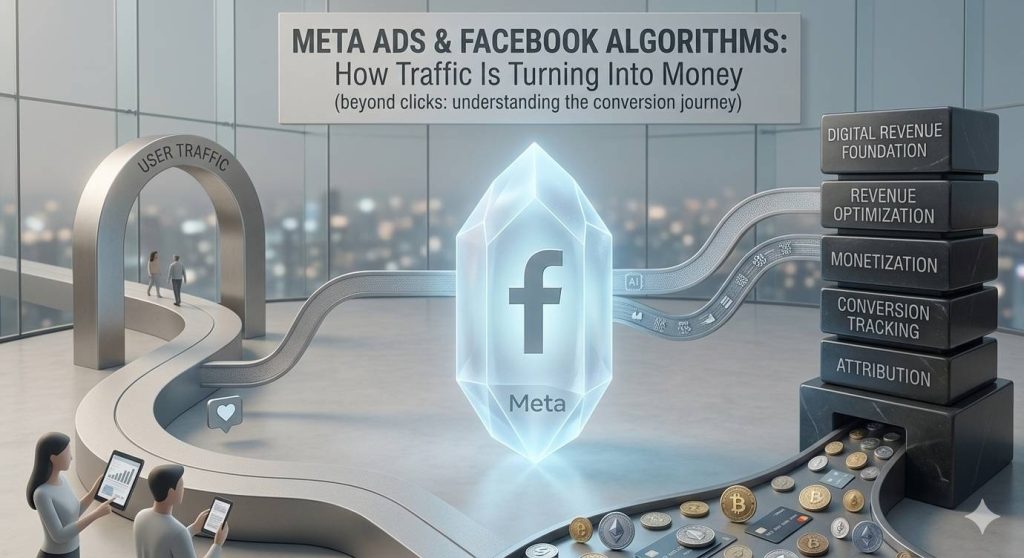
Social media platforms provide detailed analytics that help businesses understand their audience.
Businesses can track:
- Engagement rates
- Audience demographics
- Content performance
This data allows them to:
- Improve content strategies
- Target the right audience
- Optimize marketing efforts
In 2026, successful businesses rely heavily on data to make informed decisions.
9. Challenges and Competition
While social media offers many opportunities, it also comes with challenges.
The biggest challenges include:
- High competition
- Changing algorithms
- Content saturation
To succeed, businesses must:
- Stay consistent
- Adapt to trends
- Provide real value
Those who fail to evolve may struggle to maintain visibility.
10. The Future of Online Business
Looking ahead, social media will continue to shape the future of online business.
Key trends include:
- Greater integration of AI tools
- More immersive content experiences
- Increased focus on authenticity
- Expansion of digital marketplaces
Businesses that embrace these changes will have a significant advantage in the digital economy.
Conclusion
Social media has fundamentally transformed how businesses operate online. It has turned platforms into marketplaces, content into currency, and individuals into brands.
In 2026, success in online business is closely tied to how effectively a business uses social media. From building personal brands to leveraging short-form video and engaging directly with customers, the opportunities are vast.
However, success is not automatic. It requires consistency, creativity, and a deep understanding of audience behavior.
As social media continues to evolve, businesses that adapt and innovate will be the ones that thrive in this new digital era.