Background
Technology is evolving faster than ever before. Over the past decade, the digital world has experienced major transformations driven by artificial intelligence, blockchain systems, cloud computing, automation, and other emerging technologies. Many of these innovations are no longer experimental concepts limited to large technology companies. Instead, they are gradually becoming part of everyday life.
Today, people interact with advanced technologies almost constantly without fully realizing it. Social media algorithms, AI chatbots, digital payments, recommendation systems, and automated platforms are already deeply integrated into modern society. Behind many digital platforms, there are intelligent systems processing enormous amounts of data every second.
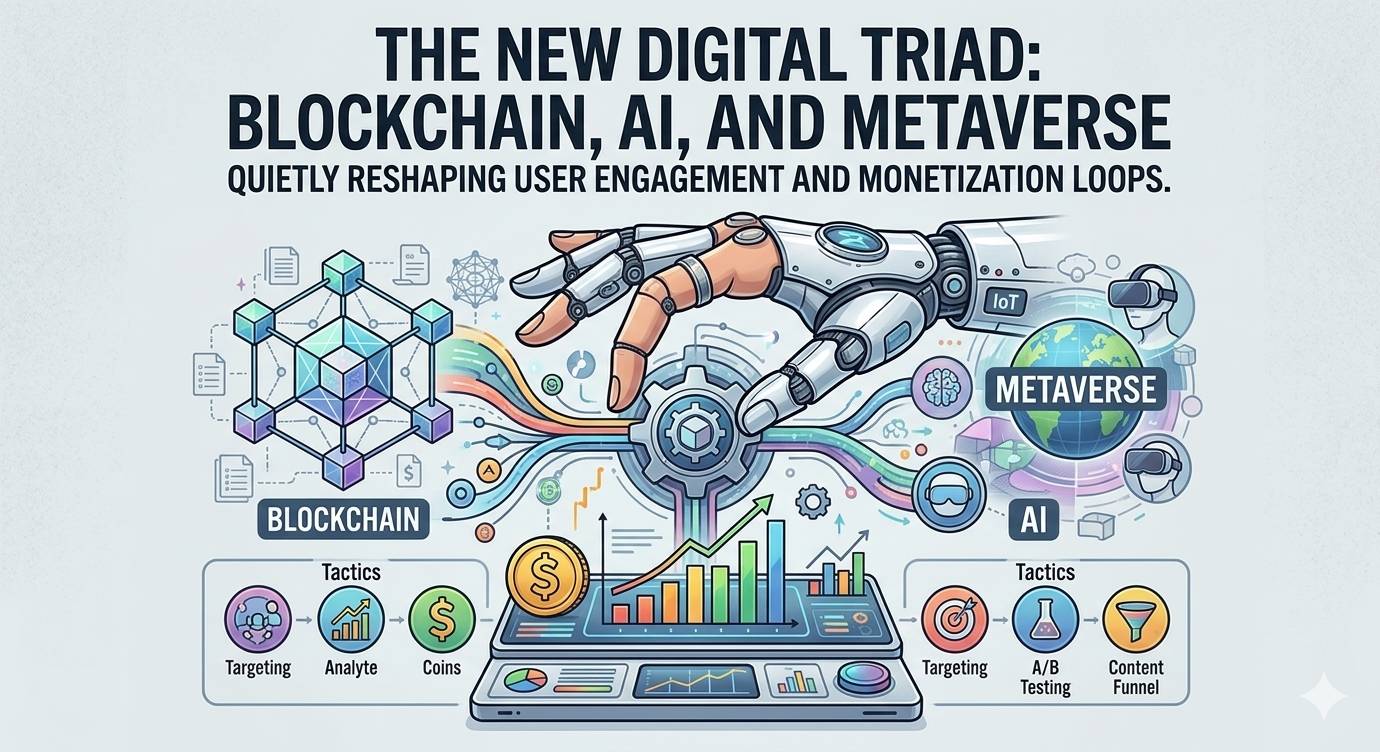
Among the most discussed technologies today are artificial intelligence and blockchain. AI is rapidly changing how people work, create content, develop software, and interact with information. At the same time, blockchain technology is introducing new ideas about ownership, security, transparency, and decentralization in digital systems.
These technologies are not only influencing the technology industry itself. They are also affecting business models, financial systems, communication platforms, digital marketing, software development, and even human behavior.
The modern digital world is quietly shifting toward a new technological era where automation, data, and intelligent systems play increasingly important roles in daily life.
Main Discussion
1. Artificial Intelligence Is Expanding Beyond Automation
Artificial intelligence is no longer limited to simple automation systems. Modern AI technologies are now capable of:
- generating content
- writing code
- creating images
- analyzing data
- understanding language
- automating workflows
- assisting businesses
AI systems such as ChatGPT, Claude AI, Gemini AI, and GitHub Copilot are transforming how people work in the digital industry.
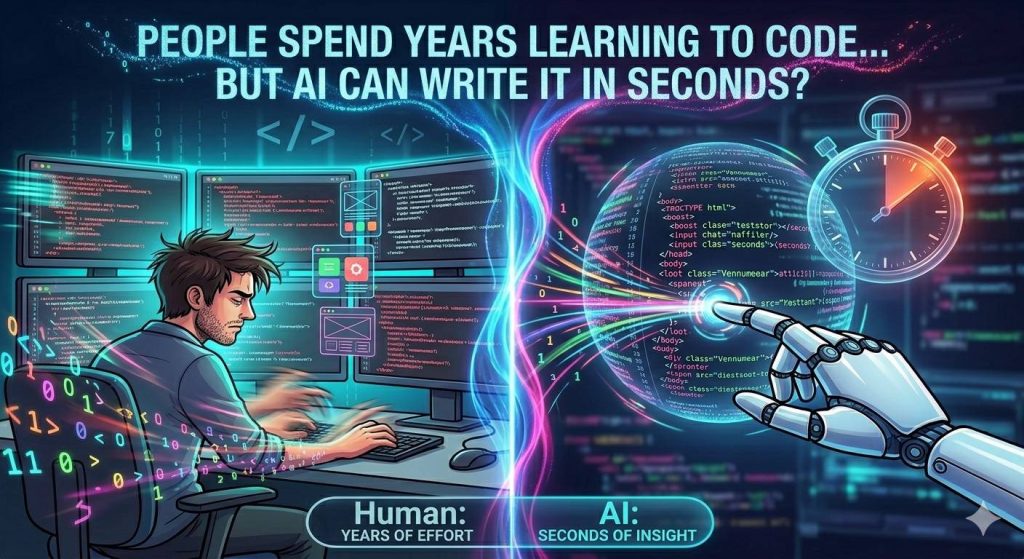
In software development, AI coding assistants can generate functions, explain logic, and accelerate development processes. In content creation, AI tools can help produce articles, videos, graphics, and marketing materials within minutes.
This rapid development is increasing productivity across many industries. Businesses can now automate repetitive tasks and reduce operational workloads more efficiently than before.
However, AI also raises concerns regarding:
- job displacement
- misinformation
- deepfake technology
- privacy issues
- ethical technology usage
Many experts believe that artificial intelligence may become one of the most influential technologies of the modern era.
2. Blockchain Is More Than Cryptocurrency
When people hear the word “blockchain,” many immediately think about cryptocurrency such as Bitcoin or Ethereum. However, blockchain technology itself is much broader than digital currencies.
Blockchain is essentially a decentralized digital ledger system designed to store information securely and transparently.
One of the main reasons blockchain is attracting attention is because it allows systems to operate without relying entirely on central authorities. Instead of storing data in a single location, blockchain distributes information across multiple systems.
This creates several advantages:
- higher transparency
- stronger security
- reduced manipulation risks
- decentralized verification
Today, blockchain technology is starting to be explored in many industries such as:
- digital finance
- supply chain systems
- healthcare
- digital identity
- online transactions
- gaming
- smart contracts
Many companies are interested in blockchain because it may reduce operational complexity and improve digital trust systems in the future.
Although blockchain adoption is still developing, the technology itself is becoming increasingly important in discussions about the future of the internet and digital ownership.
3. Emerging Technologies Are Reshaping Digital Business
Modern businesses are rapidly adapting to emerging technologies because digital competition is becoming increasingly intense.
Today, companies rely heavily on:
- cloud computing
- AI-powered analytics
- automation systems
- digital advertising
- machine learning
- data-driven strategies
Businesses are no longer competing only through products and services. They are also competing through:
- user experience
- speed
- personalization
- digital ecosystems
- audience engagement
Platforms such as Netflix, TikTok, Amazon, and Spotify heavily depend on intelligent recommendation systems powered by machine learning and user behavior analysis.
This shift is changing how digital businesses operate. Data and algorithms are becoming some of the most valuable assets in the modern internet economy.
The rise of remote work, online services, and digital entrepreneurship has also accelerated the adoption of emerging technologies worldwide.
4. Technology Is Quietly Changing Human Behavior
One of the most interesting aspects of modern technology is how it influences human behavior.
Algorithms and intelligent systems are now shaping:
- how people consume information
- how users interact online
- how audiences spend attention
- how consumers make decisions
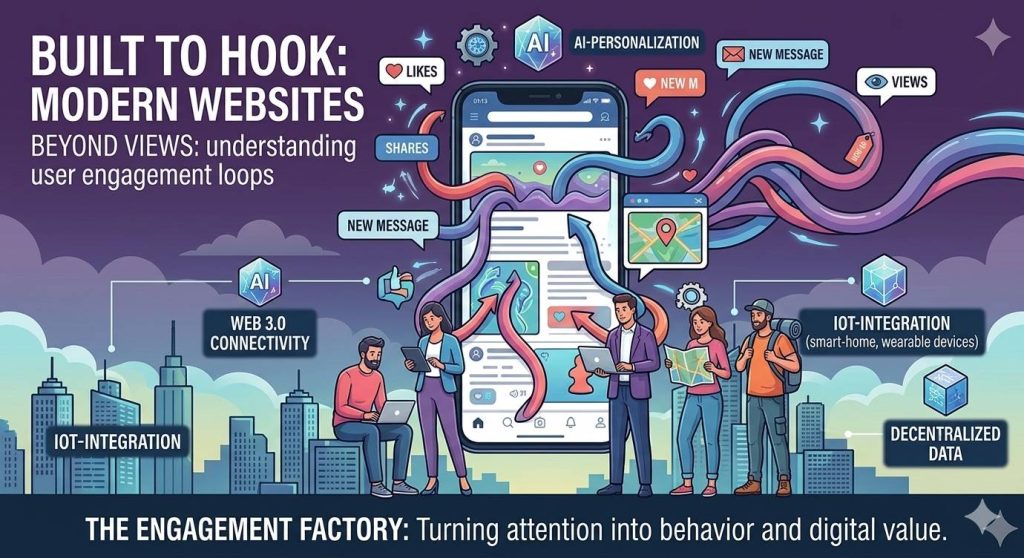
Social media platforms use engagement-based systems designed to keep users active for longer periods of time. Recommendation engines continuously analyze user interests to deliver personalized content feeds.
As a result, many people spend significantly more time online than they realize.
Technology is also changing communication habits, work patterns, learning systems, and entertainment consumption. Digital platforms are becoming deeply connected to everyday life.
At the same time, this transformation raises concerns regarding:
- digital addiction
- mental health
- misinformation
- online manipulation
- data privacy
The relationship between humans and technology is becoming increasingly complex as digital systems become more intelligent and personalized.
5. The Future of the Digital World
The future of technology will likely become even more interconnected, automated, and data-driven.
Emerging technologies such as:
- AI
- blockchain
- cloud computing
- virtual reality
- automation systems
- machine learning
may continue transforming industries across the world.
Web 3.0 concepts are also introducing ideas about decentralized internet systems where users may have greater control over digital ownership and online identities.
At the same time, businesses and developers will face major challenges regarding:
- cybersecurity
- ethical AI
- data regulation
- digital trust
- privacy protection
The next generation of digital innovation may not only focus on creating smarter technologies but also on building systems that balance efficiency, security, and responsible digital usage.
Conclusion
Artificial intelligence, blockchain, and emerging technologies are quietly reshaping the modern digital world. These innovations are transforming how businesses operate, how people communicate, and how digital systems function globally.
AI is accelerating automation and productivity across industries, while blockchain is introducing new possibilities for decentralized systems and digital trust. At the same time, data-driven technologies and intelligent algorithms are increasingly influencing human behavior and online experiences.
Although these technologies create significant opportunities, they also introduce new challenges regarding privacy, ethics, security, and the future relationship between humans and digital systems.
As the digital world continues evolving, understanding emerging technologies will become increasingly important for businesses, developers, creators, and internet users in the modern era.